Cascading Crisis in Metallurgy: Why Industrial Decline Hits Local Budgets
Production cuts in Ukraine's mining and metals sector threaten state and local finances, triggering tax deficits and job losses.
 🧠AI Analysis
Photo: UNIAN
Key points
- Metallurgy crisis threatens state and community finances
- Leading enterprises report falling tax revenues from the metals sector
- Industrial cities are forced to cut development budgets and infrastructure spending
- The problem has a cascading effect impacting related industries and small businesses
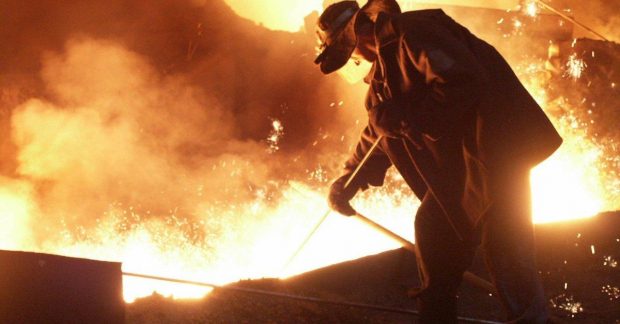
The crisis in Ukraine's mining and metals sector is evolving from localized difficulties of individual enterprises into a large-scale systemic threat to the entire economy. Declining production volumes inevitably lead to reduced tax revenues, job losses, and a drop in demand for services in related sectors.
A Chain Reaction for the Economy and Budgets
According to analysts, the deterioration of the situation in 2026 was driven by Russian shelling, logistical hurdles, restrictions on foreign markets, and electricity shortages. In particular, major market players such as Metinvest and the Dniprovskyi Metallurgical Plant have already reported significant drops in tax payments over the first three quarters of the year. Similar risks loom over other industry giants due to shutdowns or capacity restrictions.
"We have reached a critical point, and the country risks losing jobs and billions of hryvnias in taxes," notes Metinvest CEO Yuriy Ryzhenkov.
Every job in metallurgy generates demand in related fields: energy, transport, engineering, and small business. Consequently, production declines trigger a cascading effect, reducing state budget revenues from VAT and corporate income tax at a time when the country desperately needs resources for defense.
Consequences for Cities and Communities
Industrial regions and cities where local budgets directly depend on personal income taxes and land fees from large plants are hit the hardest. The reduction in these revenues is already forcing local authorities to sequester budgets and freeze infrastructure projects.
As a result, funding for road repairs, schools, hospitals, and municipal utilities is at risk. At the same time, communities are losing the ability to co-finance international grant initiatives, which slows down recovery efforts and negatively impacts residents' well-being.
Source UNIAN — unian.ua/society/kaskadniy-efekt-padinnya-virobnictva-u-metalurgiji… ↗
Read next
 🛡️Security
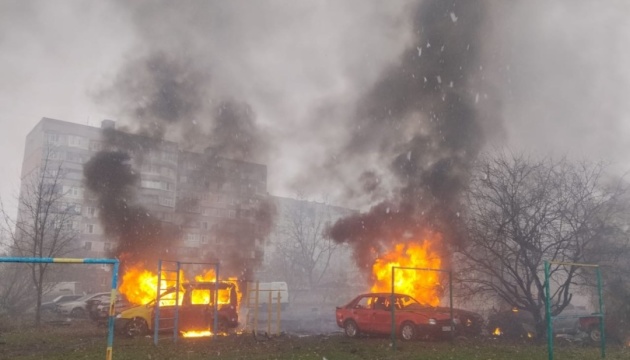
Massive Strike on Lozova Injures 12 and Damages Residential Infrastructure
A massive Russian attack on Lozova in the Kharkiv region has injured 12 people and caused extensive damage to apartment buildings and infrastructure.
 🏛️Politics
SAP Leadership Scandal: Former Prosecutor General Alleges Evasion of Responsibility
Former Prosecutor General Ruslan Kravchenko accused the inner circle of SAP Head Oleksandr Klymenko of trying to evade corruption charges through the SBI.
 🛡️Security
Evacuation vehicle shelled in Kramatorsk: casualties reported
Russian forces hit a clearly marked vehicle carrying out civilian evacuation in Kramatorsk. The attack resulted in two deaths and two injuries.
 🏛️Politics
US Congressional Election Results: New Dynamics and Limitations for Ukraine Support
Democrats have secured control of both chambers of the US Congress, offering new opportunities for legislative oversight and funding. However, key foreign policy decision…
Fatal Car Crash in Kyiv: Driver Dies After Vehicle Hits Utility Pole
A fatal traffic accident occurred on Mykola Mikhnovsky Boulevard in the capital when a Buick passenger car crashed into an electric pole.
 💡Tech
Signal Limits Screenshots on iOS and Android to Counter AI Agents
Signal is introducing screenshot restrictions on iOS and Android operating systems to protect user privacy from intrusive AI assistants.