New Technological Threat: Enemy Begins Mass Deployment of Fiber-Optic 'Molniya' Drones
Russian forces have ramped up the use of cable-controlled drones, rendering traditional electronic warfare systems ineffective.
 💡Tech
Photo: UNIAN
Key points
- Fiber-optic control makes drones immune to electronic warfare (EW).
- Flight altitude of 50 meters complicates radar detection.
- Operational range extends up to 30 kilometers into the rear.
In recent days, Russian forces have systematically deployed 'Molniya' unmanned aerial vehicles (UAVs) utilizing fiber-optic communication for control across various front-line sectors. This technological shift fundamentally alters air defense strategies, as these drones become virtually 'invisible' to many modern electronic intercept systems.
Technical Specifications and Advantages of 'Molniya'
According to Serhii Beskrestnov, known as 'Flash,' an advisor to the President on defense technologies, these drones maintain a specific flight profile. They typically operate at ultra-low altitudes of approximately 50 meters, making them difficult targets for standard radar stations. Furthermore, their operational range into the Ukrainian rear can reach up to 30 kilometers.
The primary danger lies in the total absence of a radio signal. Since control is maintained via a physical cable, electronic warfare (EW) tools, which usually jam the connection between the operator and the drone, are rendered powerless. This allows the enemy not only to conduct precision strikes but also to perform high-quality reconnaissance, receiving high-definition video feeds without interference.
Scaling Production and Future Developments
While initial attempts to use fiber optics on 'Molniya' drones were recorded a year ago, the process has now become widespread. Concurrently, reports have emerged regarding the testing of other equipment, such as the 'Geran-6' drone. According to MP Fedir Venislavskyi, new modifications are capable of reaching speeds up to 1,000 km/h, bringing their characteristics closer to those of cruise missiles.
Military experts, including Pavlo Narozhnyi, note that access to international component markets enables the adversary to rapidly scale production. This necessitates an urgent search for new countermeasure methods by Ukrainian defenders, particularly emphasizing visual detection and the use of mobile fire groups for physical destruction.
Source UNIAN — unian.ua/weapons/droni-rf-molniya-stali-nebezpechnishimi-flesh-rozk… ↗
Read next
 👥Society
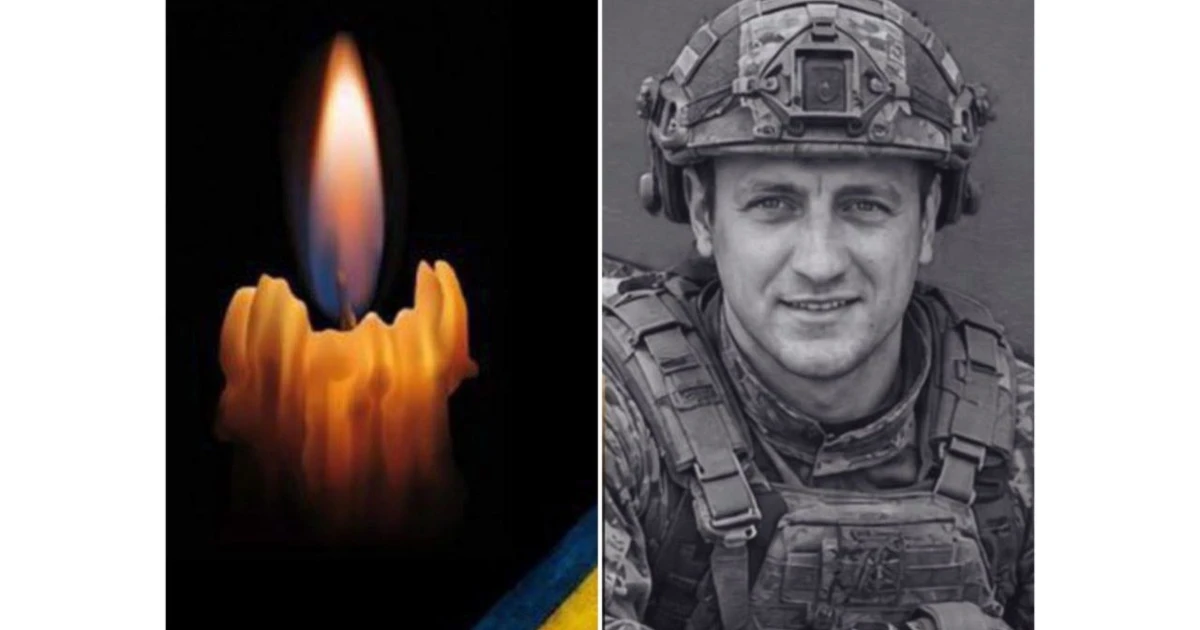
Fastiv community mourns fallen defender: Vladyslav Horbachenko killed on Zaporizhzhia front
Vladyslav Horbachenko, a resident of Fastiv who defended Ukraine since 2014, was killed in action on the Zaporizhzhia front.
Million-hryvnia declaration discrepancies: state enterprise head exposed over cars, crypto, and elderly loan
Law enforcement officers exposed the head of the state enterprise 'Official Delegations Hall' for providing false information in asset declarations worth over UAH 9.6 mil…
 🚨Events
Famous hippopotamus Fiona dies at US zoo after swallowing visitor's hat
Fiona, a nine-year-old hippopotamus famous worldwide on social media, has died at the Cincinnati Zoo after accidentally swallowing a knitted hat.
 🚨Events
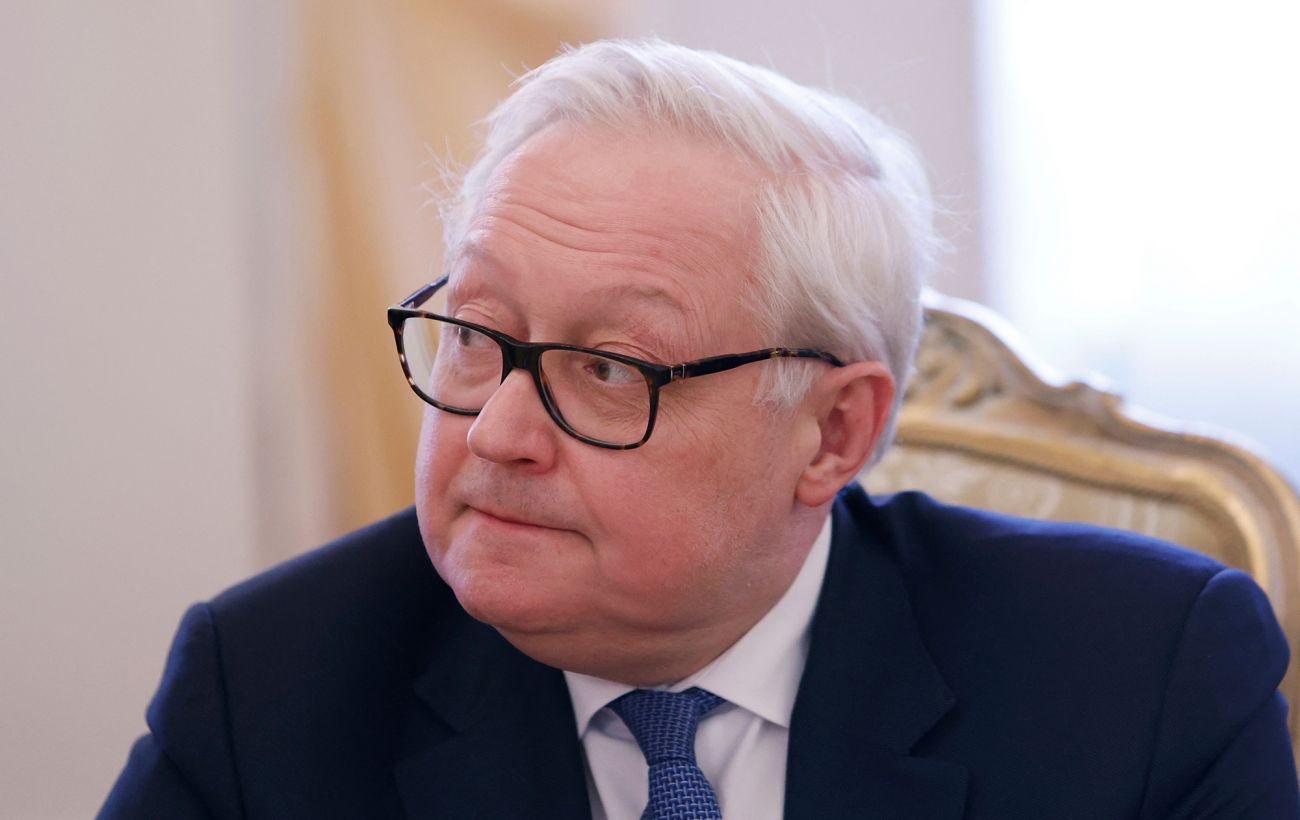
Russia Rejects US Proposals for NATO-Style Security Guarantees for Ukraine
Moscow has declared any "quasi-membership" options for Ukraine within NATO-like security frameworks unacceptable. Meanwhile, Washington and European allies are refining l…
 🚌Transport
Military Justice in Ukraine: Why Human Rights Defenders Warn Against Creating Special Courts
The debate on restoring military courts continues in Ukraine, but the «Pryncyp» human rights center urges focusing on civil judge specialization instead of creating a ris…
 🚨Events
Elderly Man Detained in Kharkiv Region Over Brutal Attempted Murder of Coworker
A workplace dispute at an enterprise in the Kharkiv district escalated into a violent knife attack. The victim survived thanks to prompt medical intervention.