Bioenergy of the future: scientists learn to generate electricity from cacti
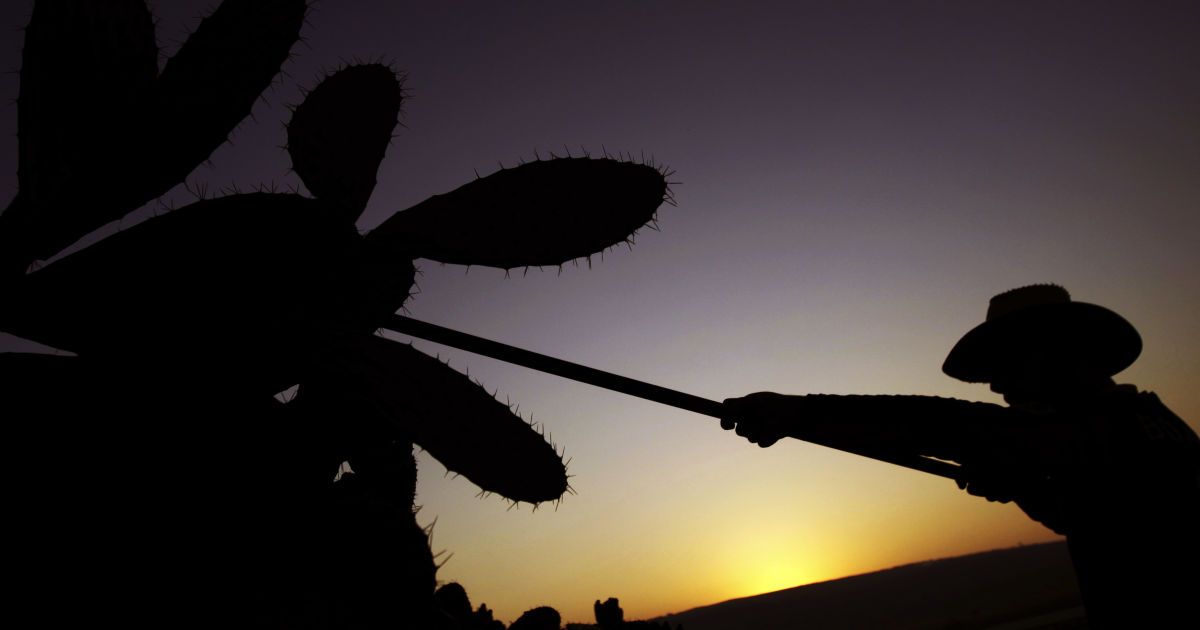
Researchers from the University of California have discovered a way to turn prickly pear cacti into organic power sources using their unique photosynthesis process.
 💡Tech
Photo: TSN
Key points
- Method developed to generate energy from prickly pear cactus
- Utilizes CAM photosynthesis mechanism
- A single stem generates up to 0.5 volts of electricity
Energy from desert plants
Scientists from the University of California, Santa Cruz, have unveiled an innovative technology that allows the use of prickly pear cacti as natural electricity generators. The study, published in the journal Plants, People, Planet, is based on a unique photosynthesis mechanism known as Crassulacean Acid Metabolism (CAM).
Professor Michael Loik and university graduate Charlie Chesney discovered that due to nocturnal CO₂ uptake and daytime conversion of malic acid, a pH gradient is created within the plant's stem. Installing specialized electrodes allowed researchers to harvest the electrical voltage generated by the cactus itself.
Future applications
During experiments, researchers achieved a voltage of 0.5 volts from a single stem. Connecting eight such stems provided 4.5 volts, equivalent to the power of three standard AA batteries. Scientists see potential in using this technology to power agricultural sensors that monitor crop conditions. Furthermore, the voltage level can serve as an indicator of the plant's physiological state and environmental changes.
Source TSN — tsn.ua/nauka_it/roslyna-iaka-vyrobliaye-elektryku-vcheni-zrobyly-nespod… ↗
Read next
 🩺Health
Healthcare Infrastructure Recovery in Chernihiv Region: Over Half of Facilities Restored
In the Chernihiv region, 54% of healthcare and social facilities damaged by Russian shelling have been restored.
 🛡️Security
EU to provide €1 billion in military aid to Ukraine: details of the new package
The Council of the EU has decided to allocate an additional one billion euros through the European Peace Facility to purchase weapons for Ukraine by 2027.
 🇺🇦Ukraine
EU spent more on Russian energy than on aid to Ukraine, report finds
Data from the European Commission reveals that since 2022, EU member states have paid more for Russian energy imports than they have provided in support to Ukraine.
 🇺🇦Ukraine
Survey results: Majority of Russians deny Russia's responsibility for destruction in Ukraine
According to the Levada Center, over 90% of Russian citizens do not acknowledge their country's responsibility for the consequences of the war, blaming other nations inst…
 🎓Education
Russian Strike Damages Kindergarten in Zaporizhzhia, Fire Breaks Out in Nearby Residential Building
Russian forces targeted civilian infrastructure in Zaporizhzhia, hitting a kindergarten area and causing a fire in an adjacent multi-story residential building.
 🛡️Security
Ukraine blocks Russia's attempts to legitimize occupation at COP31 climate summit
The Ukrainian delegation at the Antalya summit has opposed the inclusion of Russian reports containing data from temporarily occupied Ukrainian territories.